Storm season preparedness is critical for commercial property owners and their insurance agents.
The National Oceanic and Atmospheric Administration (NOAA) is forecasting a below-normal 2026 Atlantic hurricane season with 8 to 14 named storms. For context, an average season produces 14 named storms, though 2025 came in at 13. On paper, a below-normal forecast sounds like good news, but for your clients, it could be a distraction, because the record tells a different story.
Since 1980, the U.S. has sustained more than 400 weather and climate disasters that each exceeded $1 billion in damage, for a combined toll of nearly $3 trillion. Hurricanes and cyclones account for a disproportionate share of that figure, and the seasonal outlook has never been much of a predictor of where a storm makes landfall.
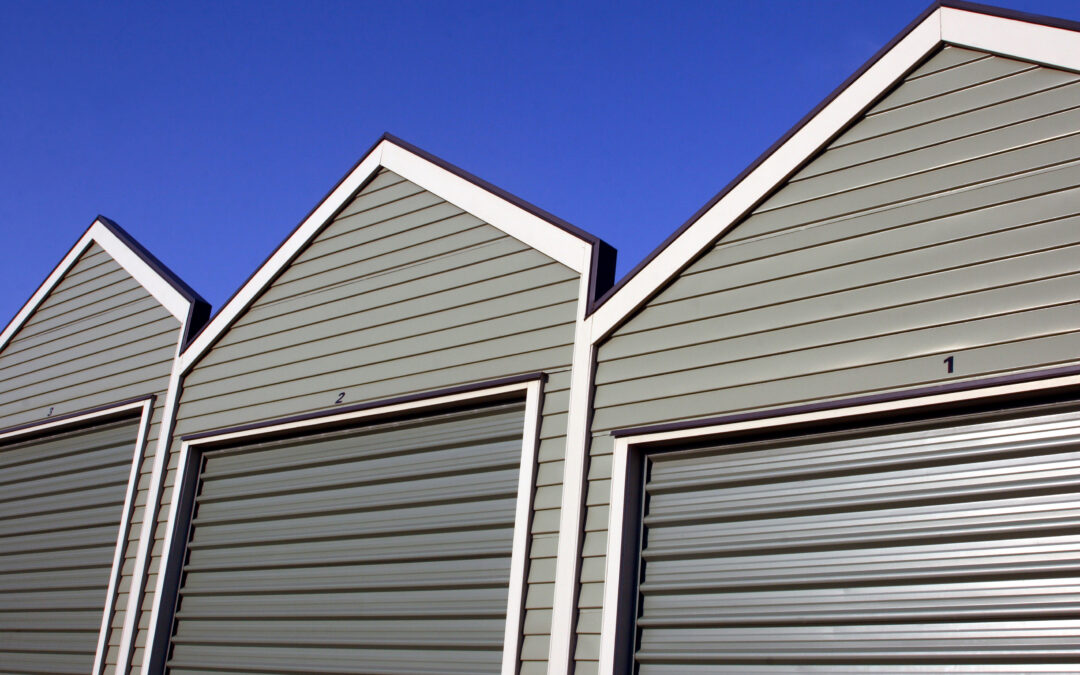
One Category 2 storm making direct contact with a self-storage facility, a nonprofit’s headquarters, or a rural agribusiness operation is all it takes. The forecast doesn’t change that math. While we’ve already passed the official start of this year’s hurricane season, the historical peak of mid-August through October is around the corner. Here’s what should be on your radar.
Hurricane Season Business Checklist: What to Review
Start with property values. Construction and material costs have increased substantially in recent years, and insured values that haven’t kept pace leave owners exposed to a significant coverage gap at claim time. That’s a problem that’s easy to address before a storm and nearly impossible to fix after one.
Deductibles deserve the same scrutiny. Named-storm and wind/hail deductibles on commercial property policies are typically percentage-based rather than a flat dollar amount, which means the out-of-pocket exposure scales directly with the value of the property. On a high-value commercial building, that number can be substantial before coverage ever kicks in. Agents and their clients should know exactly what those deductibles look like, and whether a Wind/Hail Deductible Buyback is the right tool to reduce that exposure.
Don’t forget business income coverage. It’s the piece that most often gets overlooked until it’s too late. Physical damage gets the attention, but for most commercial operations like storage facilities, nonprofits, or farms, the revenue disruption that follows a storm can outlast the structural repairs.
On the operational side, make sure your clients are working through this before peak season hits:
- Maintenance — Trim trees, schedule a roof inspection, and clear any loose debris from the property. In high winds, unsecured materials become projectiles. This is a low-cost effort and can be one of the most impactful.
- Vendor & Contractor Relationships — Identify local vendors and contractors now and secure priority response agreements before storm season peaks. Post-storm demand can quickly overwhelm local capacity, and supply chain constraints can make materials and labor harder to come by after a catastrophic event.
- Emergency Contacts & Documentation — Assemble a complete contact list — insurance carriers, policy numbers, employees, local police, medical facilities, and utilities — and store it somewhere other than the property itself. A manager should have it on their phone and on their person when severe weather is imminent.
- Customer Contact Records — Maintain an up-to-date electronic record of customer email addresses and phone numbers so you can communicate quickly about property access and operational status before and after a storm.
- Staff Training — Make sure your team knows the plan before they need it. That includes shelter-in-place procedures, evacuation routes, and post-storm safety protocols. If it hasn’t been reviewed and rehearsed at least annually, it’s not a plan.
Specialty Operations Need Specialty Coverage
Whether the 2026 Atlantic hurricane season forecast turns out to be accurate won’t matter for your clients if they’re properly covered. MiniCo can help with programs that go beyond standard commercial property policies.
- Commercial Self-Storage Insurance: Purpose-built coverage for facilities with unique property, liability, and tenant-related exposures.
- Wind and Hail Deductible Buyback: Reduces the out-of-pocket exposure from percentage wind and hail deductibles. This coverage is one of the most underutilized tools available to agents placing wind- and hail-exposed risks.
- Nonprofit & Social Services Insurance: Property, liability, and auto coverage designed for organizations with mission-critical operations that can’t afford extended downtime.
- Agribusiness Insurance: Coverage for commercial farms, rural estates, and agribusiness operations with weather-exposed property, equipment, and vehicles.
Contact MiniCo now to learn more about our exclusive programs and discuss risk management strategies for your clients. Our experienced program underwriters are ready to assist with coverage to protect your clients before a storm hits.