In 2026, the primary driver behind most property insurance valuation discussions is the shifting cost of construction. We aren’t seeing the wild, unpredictable spikes that defined the start of the decade, but the pressure hasn’t disappeared. Between labor shortages and fluctuating material prices, underwriters are looking much more closely at how buildings are valued today versus even a year ago.
The Skanska Winter 2026 report suggests we’re looking at a 4% to 6% climb in costs this year. However, if new tariffs or supply chain kinks hit, that could easily jump to 10%. For anyone in the industry, the message is clear: if your valuations aren’t moving in lockstep with these construction cost trends, you’re leaving yourself open to a massive financial gap if a total loss occurs.
The Impact on the Self-Storage Sector
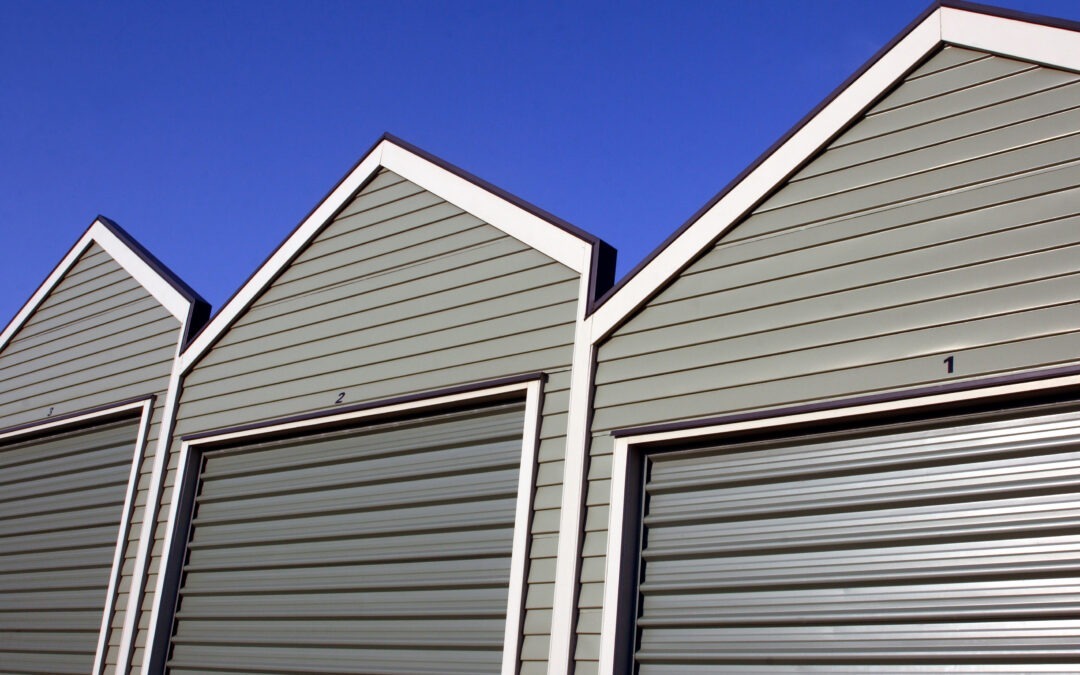
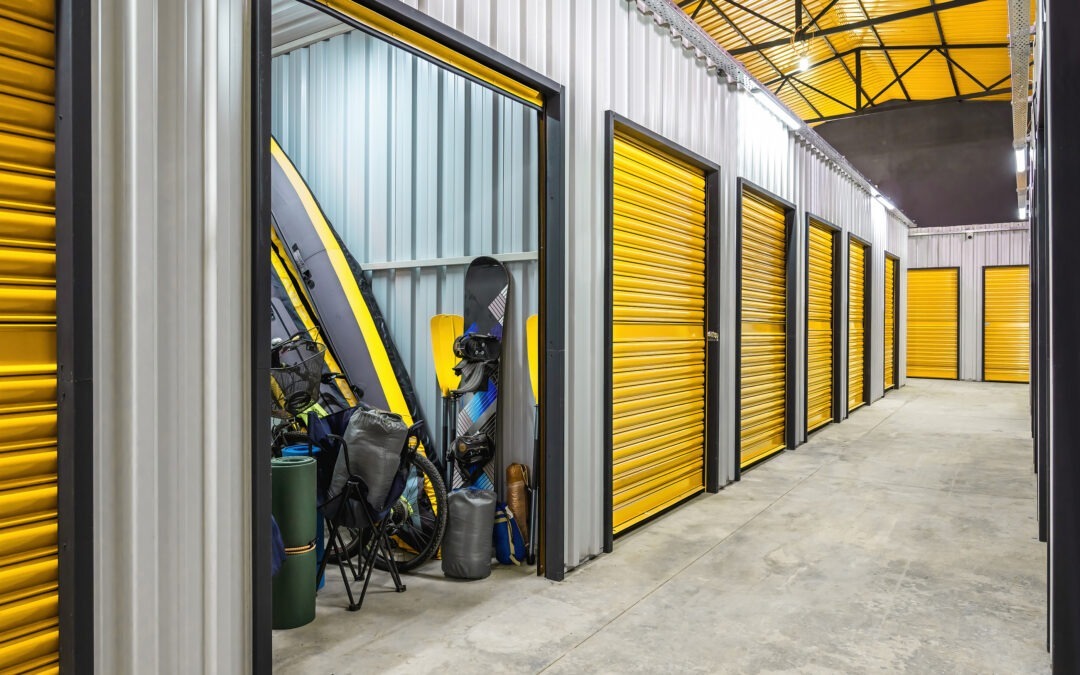
The self-storage insurance landscape is feeling this particularly hard. Even though new facilities are popping up across the country, developers are navigating a much tighter financial environment.
According to the most recent forecast update from Yardi Matrix, the supply is growing, but so is the cost to put those units in the ground. For an owner, the biggest risk is the “set it and forget it” mentality. A facility built or insured three years ago likely has a replacement value that is now dangerously obsolete.
Managing Your Construction Risk
When costs are this fluid, insurance must serve as a dynamic part of construction risk management. To keep your clients ahead of the curve, consider these proactive steps:
- Audit valuations frequently. Don’t wait for a five-year milestone. Review replacement costs annually to ensure they reflect current prices for steel, labor, and framing.
- Align limits with reality. Ensure your business income and property limits account for modern rebuilding timelines, which are often longer than they used to be.
- Showcase your maintenance. Documented roof inspections and fire prevention programs show you’re disciplined, which can help when negotiating rates.
- Plan for the weather. In catastrophe-prone regions, having a solid severe weather plan is a basic requirement for a strong submission.
- Strategize on deductibles. Sometimes, a wind and hail deductible buyback solution is the smartest move to stabilize your financial exposure.
Why Relationships Still Win
Even as the market becomes more competitive, carriers aren’t just handing out deals. They are looking for early renewals and clear narratives. The more you can communicate about the specific improvements and risk profile of a self-storage property, the better the outcome.
At MiniCo, our underwriting team stays buried in the data so you don’t have to. We monitor how these economic shifts impact everything from coverage limits to underwriting expectations. Reach out to see how we can help you navigate the complexities of today’s property insurance market.