Self-storage conversions are having a moment. If you work with clients planning portfolio expansion, the latest Inside Self-Storage (ISS) article, “Self-Storage Conversion Projects: Benefits, Options and Key Considerations for Success,” is well worth your time. The piece breaks down why conversions are becoming a go-to strategy, where the hidden risks sit, and what developers often underestimate.
Below is a top-line summary for agents who want to better support clients pursuing commercial property conversions, paired with a few real-world examples to bring the concepts to life.
Why Conversions Are So Appealing Right Now
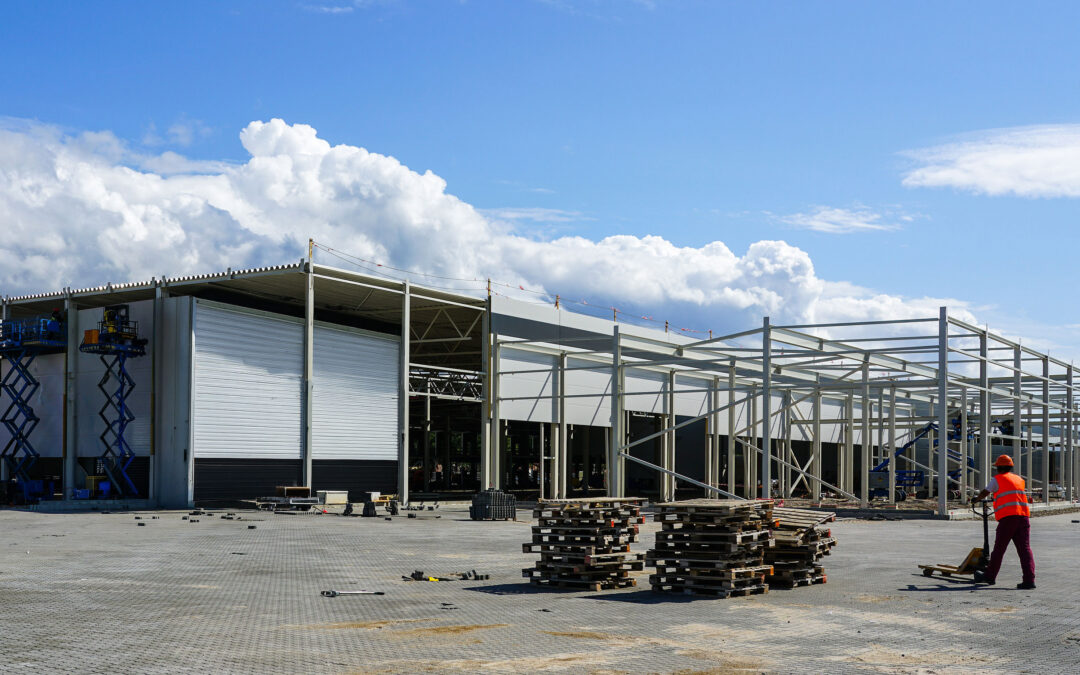
Instead of investing in raw land and lengthy construction timelines, ISS notes that many owners are transforming everything from existing warehouses to big-box stores into modern storage facilities with obvious appeal:
- Lower upfront cost thanks to existing utilities and infrastructure
- Faster time-to-market, with most work happening indoors and fewer weather delays
- Sustainability gains, since repurposing buildings reduces waste
- Built-in advantages such as parking, access roads, and transportation routes
The proof is in the projects. In Paterson, NJ, a four-story industrial building from the 1950s was converted into a 393-unit, climate-controlled self-storage facility in about eight months once approvals were secured. Compare that to a typical ground-up build, which often takes 18–24 months from site prep to opening.
Proceed with Caution
While conversion projects have appeal for self-storage developers, it’s important to note that conversions aren’t automatically cheaper or easier than new construction. The article in ISS highlights several oversights that can wipe out projected gains:
Structural limitations
Many office or commercial buildings were designed for 50–80 PSF, far below the 125 PSF needed for self-storage. Reinforcing beams or joists can be a major expense.
Mechanical and system upgrades
Roof replacement, outdated HVAC, insufficient electrical capacity, or new elevator requirements can stretch budgets quickly.
Rentable-space loss
Overall space can disappear in the conversion process with hallways, circulation areas, and vertical access eating up square footage.
Environmental surprises
Asbestos or lead remediation, seismic fixes, or fire-suppression expansion can turn a “quick” project into a lengthy overhaul.
Zoning and permitting delays
If self-storage isn’t permitted outright, variances or zoning changes can add months of holding costs.
These realities show up often in the field, as discussed in this interview with seasoned real estate expert Clint Harris. Over time and experience, his organization has gotten more successful with conversions by learning how to identify the right spaces and how to make a cost-effective conversion.
Recommendations for Successful Conversions
The ISS article emphasizes due diligence as the differentiator between high-performing conversions and ones that never meet their ROI targets. Use these insights to start conversations with your clients to help them keep the path to completion smooth:
- Conduct rigorous property evaluations with engineers and inspectors
- Model financials using realistic (often conservative) rentable-area assumptions
- Budget for unexpected costs like structural, environmental, and mechanical
- Engage local professionals to navigate building codes and permitting
- Communicate early with the community to reduce friction
Of course, there’s no promise that a disciplined process will completely eliminate risk, but at the very least, it minimizes the surprises that make conversions stumble.
MiniCo Insurance Puts Experience Behind Every Conversion
No two facility conversion projects follow the same script. That’s where partnering with a specialist matters. MiniCo has been focused on insuring the self-storage industry for more than 50 years and helped pioneer the category of self-storage insurance itself. Our specialty property insurance programs were built for the real-world scenarios highlighted in the ISS article, and our dedicated program team has deep experience when it comes to evaluating and underwriting converted buildings. Here’s what matters most from an insurance perspective:
- Carriers are often hesitant to insure properties during the conversion phase and are far more comfortable once the facility is fully complete.
- Detailed documentation is critical. Underwriters want evidence that the conversion was completed correctly in terms of process, materials, and regulatory compliance.
- Systems matter. Electrical, plumbing, roofing, and HVAC upgrades must be supported by inspection, maintenance, or replacement records.
- Fire risk is elevated in conversions. Hidden cavities or unsealed voids created during construction can introduce fire hazards. Documentation and verified life-safety plans are essential.
- Valuation can be tricky. If the building started life as something entirely different (a warehouse, big-box store, or bowling alley, for example), underwriters must determine replacement cost appropriately, which requires accurate construction and conversion detail.
MiniCo’s experienced underwriters understand these nuances and bring an unmatched depth and breadth of experience to each submission. Reach out to our team today to learn about our exclusive self-storage insurance solutions.