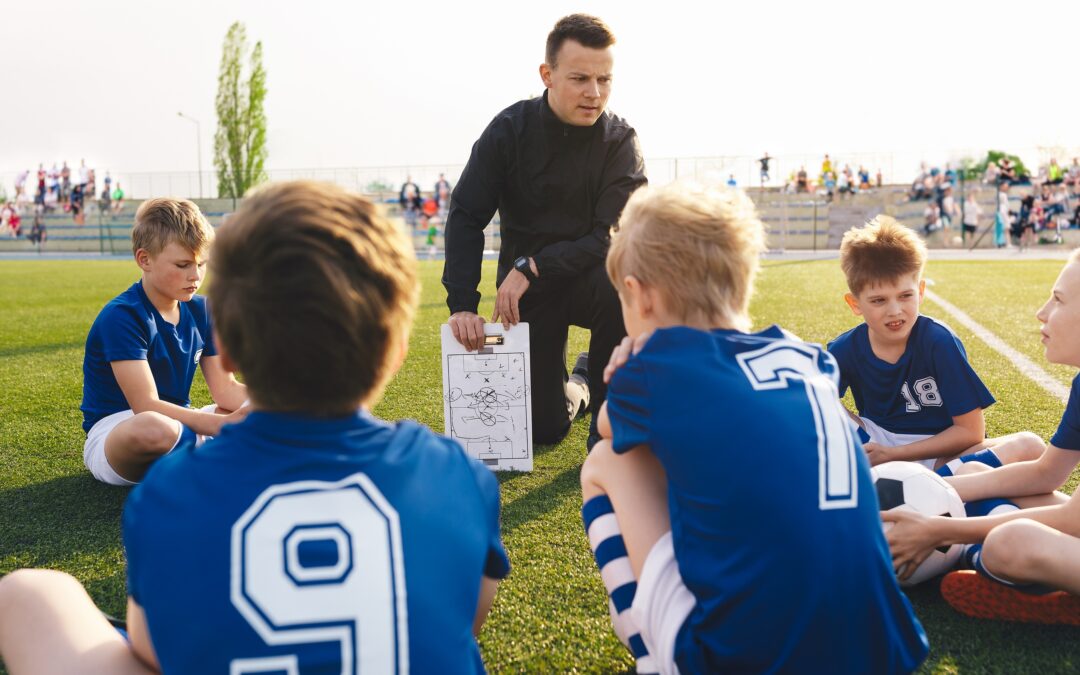
Youth sports leagues, club teams, school programs, camps, and tournament organizers share one thing in common: at some point, someone is going to get hurt. Injuries are part of the game, but does your client have a plan for what comes next? For youth sports programs and other group activities and events, participant accident coverage AND a documented injury response plan are non-negotiables.
The Injury Landscape in Youth Sports
According to the National Safety Council, 1.5 million children visited the emergency room for a sports-related injury in 2024 alone. The most common injuries are sprains and strains, accounting for roughly 25-30% of all reported sports injuries, followed by overuse injuries, lower-extremity injuries such as ankle sprains and ACL tears, and concussions.
Concussions deserve particular attention. Contact sports including football, basketball, and soccer are associated with 45% of all emergency department visits for sports-related traumatic brain injuries among children 17 and under. Every state and the District of Columbia now has a sports concussion law on the books establishing mandatory removal-from-play and return-to-play protocols, per the National Federation of State High School Associations (NFHS). Non-compliance creates a safety risk and exposes organizations to negligence claims under the state’s specific statute.
Why Emergency Action Plans Matter, Legally and Operationally
The National Athletic Trainers’ Association’s (NATA) guidance is clear: every organization sponsoring athletic activities should have a written emergency action plan (EAP). Most importantly, it should be venue- and sport-specific, not a one-size-fits-all document pulled off the internet. Despite this guidance, the adoption of these plans has been lacking, even among institutions that technically have one. Fewer than 10% of athletic trainers working in high schools with a written EAP reported implementing all recommended components. That gap matters for your clients, because as NATA’s own guidance states, failure to have an adequate emergency plan can constitute negligence.
An effective athletic emergency action plan should address:
- Who is responsible for calling EMS?
- What is the exact address and fastest access route to the venue?
- The roles of each staff member and volunteer during an incident.
- Location of first aid equipment, automated external defibrillators (AEDs), and communication devices.
- Documentation of the incident, including what was observed and what actions were taken.
- Annual review and practice drills with all personnel.
That last point is critical. A plan that exists on paper but has never been rehearsed provides far less protection than one staff knows cold.
The Injury Response Playbook: A Framework for Your Clients
When you share injury response guidance with clients, help them think in tiers:
- Minor Injuries (think sprains, strains, minor cuts)
- Who provides first aid?
- Where is the first aid kit?
- Who documents the incident and notifies parents?
- What’s the threshold for recommending a parent seek further medical attention?
- Medical Incidents (think suspected fractures, head injuries, loss of consciousness)
- Who calls 911?
- Who meets EMS at the access point?
- Who contacts the organization’s leadership?
- What statements should (and shouldn’t) be made at the scene?
- Post-Incident
- Who completes the incident report?
- When does the carrier get notified?
- What records need to be preserved?
Remind clients that statements made at the scene, especially expressions of fault or speculation about cause, can complicate claims significantly. The right message to coaches and volunteers is to focus on the athlete’s care, document the facts, and contact the appropriate people promptly.
The Role of Participant Accident Coverage
Even a well-run organization with a solid EAP will face injuries. That’s where sports accident insurance provides a critical layer of protection. MiniCo’s Participant Accident Insurance program is designed specifically for youth sports leagues, club teams, school programs, camps, clinics, and similar organizations. Coverage includes accidental medical expenses, accidental death and dismemberment, and catastrophic K-12 student accident coverage, available in all states except CA, NM, NY, and WA.
Participant accident coverage complements general liability, helping to cover medical costs for injured participants, which can reduce the financial pressure that sometimes pushes families toward liability claims. For agents, it’s a tangible value-add that helps clients protect their participants and their organization. Ready to help your sports organization clients build a stronger risk management foundation? Contact MiniCo’s program team to learn more about sports league insurance and MiniCo’s specialized program.